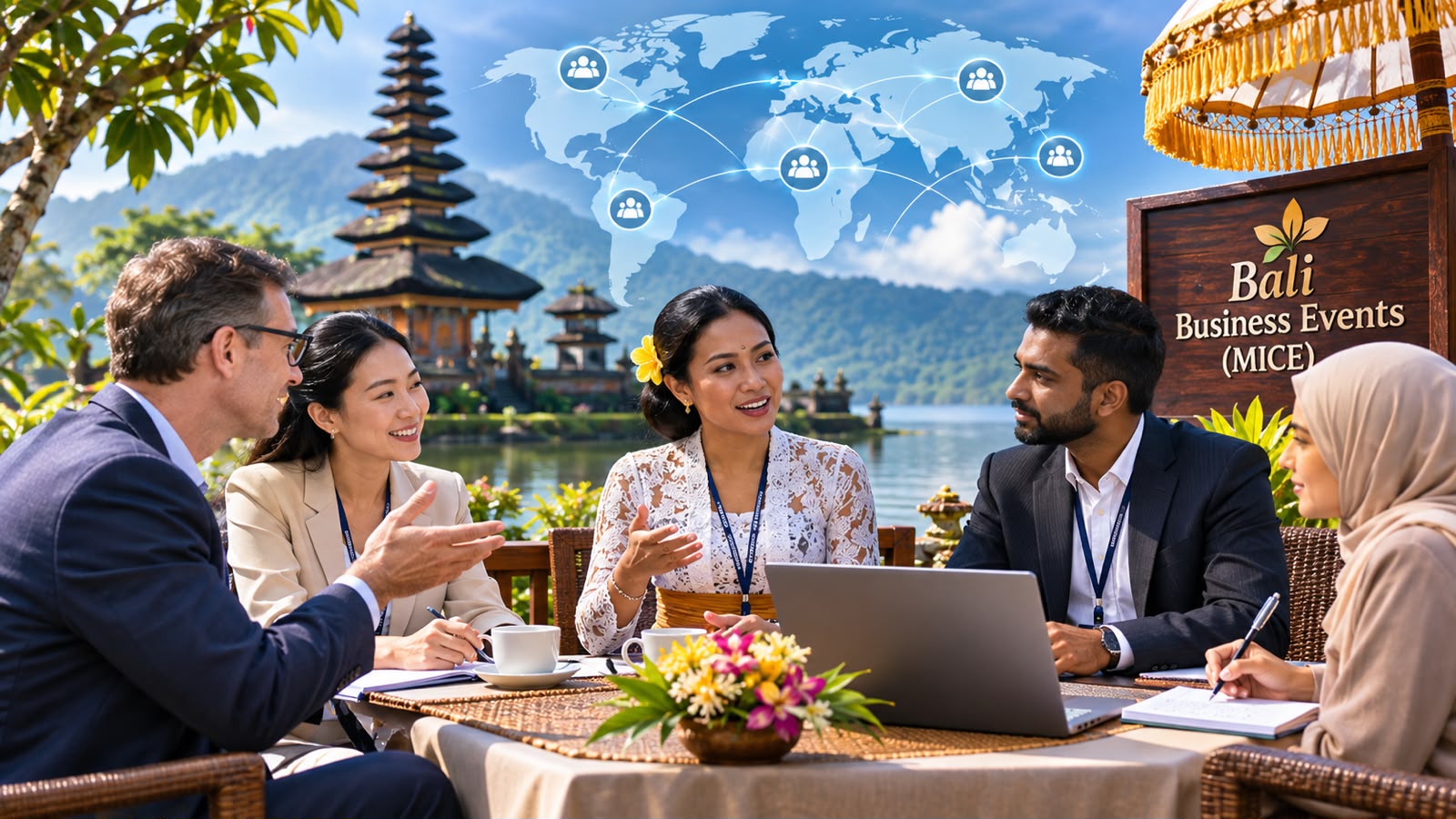
DENPASAR, BALI — The global Meetings, Incentives, Conferences and Exhibitions (MICE) industry brings together professionals and organisations from diverse cultural and business backgrounds. As international events become increasingly interconnected, cultural awareness has become essential to their successful delivery.
Meeting planners from different countries often have distinct approaches to communication, negotiation, decision-making, time management and relationship building. These differences are shaped by cultural values, business practices and professional expectations.
For Bali, an established international tourism destination seeking to strengthen its position in the global business events market, understanding these behaviours is particularly important. The ability to recognise and respond to international clients’ expectations can enhance service quality and strengthen the island’s competitiveness.
“Bali’s competitiveness must extend beyond its natural beauty, hotels and event facilities. Its success as a leading international MICE destination will also depend on the ability of its people and businesses to understand cultural differences, build international trust and deliver services that meet diverse global expectations.”
Why Cultural Understanding Matters to Bali
Bali offers attractive venues, internationally recognised hotels, convention facilities, cultural attractions and renowned hospitality. However, these advantages alone are insufficient to secure a strong position in the increasingly competitive international MICE market.
International meeting planners expect more than attractive destinations and competitive prices. They seek professional partners who understand their business cultures, communication preferences, decision-making processes and event requirements.
Cultural awareness enables local event organisers, destination management companies, hotels, venues and suppliers to communicate effectively and minimise misunderstandings. It also allows them to tailor proposals, programmes and hospitality services to meet different client expectations.
Furthermore, understanding cultural differences helps build trust, establish long-term business relationships and increase opportunities to secure international conferences, corporate meetings and incentive programmes. It also contributes to delegate satisfaction and reinforces Bali’s reputation as a reliable business events destination.
North America & Europe: Efficiency, Structured Planning and Standards
Although individual preferences vary, certain cultural and professional tendencies can be observed across major international markets.
North America — Meeting planners from the United States and Canada generally value efficiency, direct communication, measurable outcomes and practical solutions. They appreciate clear proposals, transparent pricing, defined objectives and prompt responses. Technology, attendee engagement, flexibility and sustainability are also important considerations.
Europe — European meeting planners generally prioritise structured planning, punctuality, service quality, sustainability and value for money. Their communication styles often reflect professionalism and diplomacy. However, Europe is culturally diverse, and approaches to negotiation and decision-making vary across countries.
East Asia: Guanxi, Hierarchy and Meticulous Preparation
China — Chinese meeting planners commonly place significant emphasis on guanxi, or relationship networks, as a foundation for business cooperation. Trust, reputation, status and long-term relationships can influence negotiations and decision-making. Professional interactions should therefore demonstrate respect, patience and an understanding of business protocol.
South Korea — South Korean meeting planners often value hierarchy, discipline, punctuality, detailed preparation and teamwork. The concept of nunchi, which involves sensitivity to social situations and unspoken expectations, can influence professional interactions. Efficient coordination and attention to detail are particularly important.
Japan — Japanese meeting planners generally value precision, discipline, hierarchy, harmony and thorough preparation. The concept of kaizen, or continuous improvement, reflects their commitment to quality and operational excellence. Omotenashi, the philosophy of wholehearted hospitality, also shapes their expectations of service delivery.
Southeast Asia & Australia: Pragmatism, Compliance and Inclusivity
Singapore — Singaporean meeting planners generally prioritise efficiency, professionalism, technology and regulatory compliance. As Singapore is a multicultural business hub, inclusivity and sensitivity towards different cultural and religious backgrounds are also essential.
Australia — Australian meeting planners tend to favour practical solutions, open communication and relatively informal professional relationships. Sustainability, delegate well-being, value for money and engaging event experiences are important considerations.
Indonesia — Indonesian meeting planners often value personal relationships, hospitality, mutual respect and collective cooperation. The philosophy of gotong royong reflects the importance of teamwork and collaboration. Professional interactions may also be influenced by hierarchy, cultural traditions and diplomatic communication.
South Asia, The Middle East & Russia: Relationships, Prestige and Protocol
India — Indian meeting planners often place considerable importance on personal relationships, hospitality, inclusivity and cost-effectiveness. Trust can strongly influence business decisions, while flexibility and adaptability are valuable when managing complex event requirements.
The Middle East — Meeting planners from the Middle East may place considerable emphasis on prestige, hospitality, personal relationships and professional protocol. Luxury experiences and high service standards can be important factors. Event organisers should also understand religious practices and cultural sensitivities.
Russia — Russian meeting planners may place particular importance on authority, hierarchy, professional reputation and personal trust. Business communication can be direct and pragmatic, while decision-making may require senior-level approval.
Conclusion: Elevating Bali’s Global Competitiveness
Understanding the behaviours of international meeting planners is an essential competency for Bali’s business events industry. Although planners share common professional objectives, their cultural backgrounds influence how they communicate, negotiate, make decisions and assess service quality.
Bali’s competitiveness must therefore extend beyond its natural beauty, hotels and event facilities. Its success as a leading international MICE destination will also depend on the ability of its people and businesses to understand cultural differences, build international trust and deliver services that meet diverse global expectations.
(By Dr. Ketut Jaman – Chairman BaliCEB (BaliCEB Media Team))