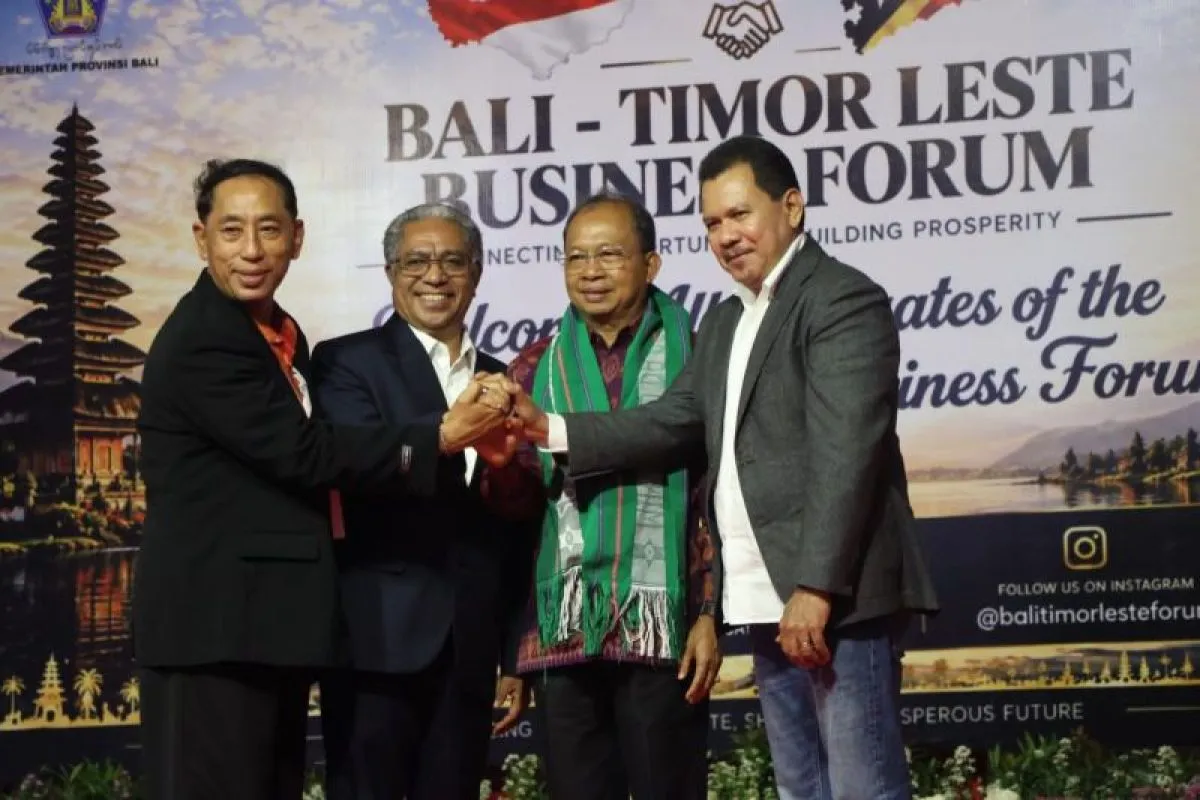
DENPASAR, BALI — Bali is strengthening its economic and business relationship with Timor-Leste, creating new opportunities for collaboration in tourism, agriculture, fisheries, trade and investment. The growing partnership also has strategic relevance for the international business events and MICE sector, particularly in business forums, knowledge exchange, corporate networking, incentive travel and major regional events.
The commitment was highlighted during the Bali–Timor-Leste Business Forum, themed “Connecting Opportunities, Building Prosperity”, held in Bali from 2–3 October 2026. The forum brought together government representatives, business leaders and entrepreneurs from both destinations to explore opportunities for closer economic cooperation.
Welcoming the Timor-Leste delegation at Jaya Sabha, the official residence of the Governor of Bali, Governor Dr. Wayan Koster emphasised the importance of developing a mutually beneficial partnership between Bali and Timor-Leste.
“Going forward, I hope Bali and Timor-Leste can progress together, support one another and work together to achieve greater development.”
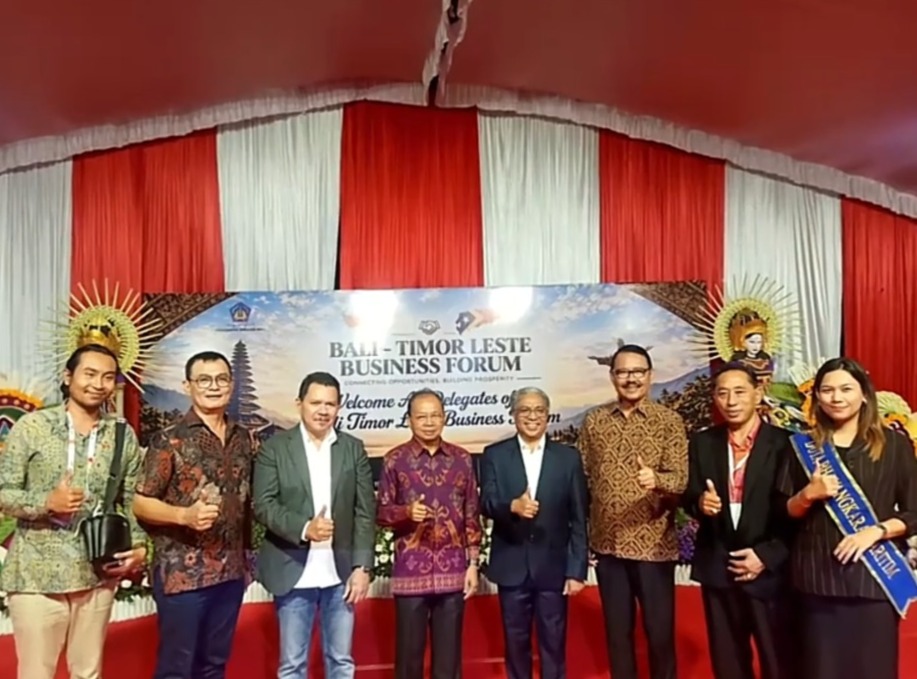
A Strategic Opportunity for Business Events
I Gusti Agung Ngurah Rai Suryawijaya, a member of the BaliCEB Advisory Board, who attended the dinner at Jaya Sabha, highlighted the potential for further cooperation in the business events sector.
According to Suryawijaya, Timor-Leste is scheduled to assume the ASEAN Chairmanship in 2029 and will host the ASEAN Summit, bringing together leaders and delegations from ASEAN member states. The Timor-Leste Government has invited Bali to explore cooperation in supporting the organisation of these prestigious regional events, recognising Bali’s extensive experience in hosting international conferences, summits and major business events.
For Bali’s MICE industry, this represents a valuable opportunity to contribute expertise in event management, destination management, venue operations, hospitality, and logistics. It could also strengthen Bali’s position as a regional business-events hub capable of supporting neighbouring destinations.
Tourism and Regional Connectivity
Tourism remains one of the most promising areas of cooperation. According to Governor Koster, Bali recorded approximately 4.6 million international visitor arrivals by 30 September 2026, slightly higher than during the corresponding period in 2025. Around 30,000 international visitors came from Timor-Leste, demonstrating existing connectivity and potential for further growth.
For international meeting planners and event organisers, the relationship provides opportunities to connect business communities across Southeast Asia while combining professional programmes with Bali’s established destination experiences.
Green, Blue and Gold Economy
Timor-Leste’s Minister of Agriculture, Livestock, Fisheries and Forestry, Marcos da Cruz, highlighted three priority areas: Green Economy, Blue Economy and Gold Economy.
The Green Economy focuses on agriculture, including rice, maize, coffee and fruit, while the Blue Economy highlights Timor-Leste’s substantial marine and fisheries potential. The Gold Economy focuses on entrepreneurship, business development and private-sector cooperation.
These themes provide potential content for international conferences, investment forums, business-matching programmes, study visits, corporate incentives and knowledge-sharing events.
Building Long-Term Partnerships
The Bali–Timor-Leste Business Forum demonstrates how business events can become platforms for more than networking. With government engagement, destination expertise and private-sector participation, such events can generate investment, knowledge transfer, business matching and long-term economic partnerships.
The potential cooperation surrounding the 2029 ASEAN Chairmanship further demonstrates how Bali’s experience can contribute to major regional gatherings beyond its own borders.
For international business-event professionals, Bali–Timor-Leste cooperation offers an emerging regional opportunity: connecting destinations, businesses and expertise while creating new pathways for shared growth and international collaboration.
((BaliCEB Media Team))