DENPASAR — Bali is strengthening its commitment to becoming one of the world’s leading sustainable tourism and MICE destinations, with a development strategy that prioritizes quality, cultural preservation, environmental responsibility, and long-term economic value.
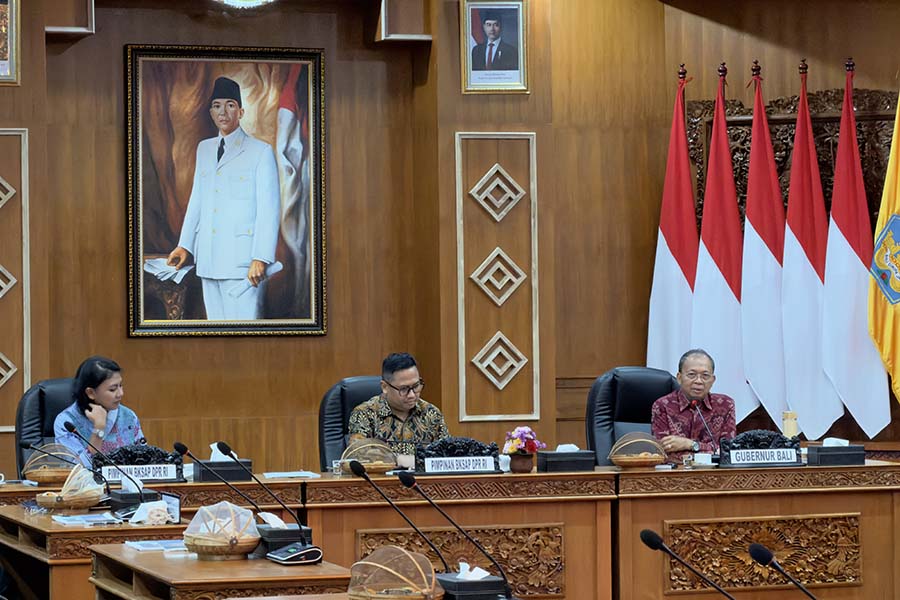
The vision was reaffirmed by Bali Governor Wayan Koster during a meeting at Jayasabha, Denpasar on 19 June 2026 with members of Indonesia’s Inter-Parliamentary Cooperation Agency (BKSAP DPR RI), where discussions focused on Bali’s transformation into a globally competitive destination built on the principles of sustainability and cultural authenticity.
For international meeting planners and event organizers, the discussion offered valuable insight into Bali’s long-term destination strategy and the government’s commitment to ensuring the island remains a safe, resilient, and future-ready host for international meetings, conventions, exhibitions, and incentive travel programs.
A Strong Recovery and a Resilient Tourism Economy
Governor Koster highlighted Bali’s remarkable recovery following the COVID-19 pandemic, a period during which the island experienced one of the most significant economic contractions in its history due to its heavy reliance on tourism.
Since reopening, Bali has demonstrated impressive resilience. Economic growth has returned to positive territory and reached approximately 5.82 percent in 2025. International visitor arrivals have climbed to around 7.05 million, while domestic tourism has contributed a further 9.2 million visitors, bringing total arrivals to approximately 16.3 million.
The figures reaffirm Bali’s position as Indonesia’s premier tourism destination and one of Asia-Pacific’s most sought-after locations for leisure travel, business events, and international conferences. According to data presented during the meeting, international visitors spend an average of USD 1,522 per trip, generating an estimated economic impact of approximately IDR 176 trillion. Bali currently accounts for nearly 46 percent of all international visitor arrivals to Indonesia, underlining its strategic importance to the national tourism economy.
Moving Beyond Volume: Bali’s Commitment to Quality Tourism
While visitor numbers continue to grow, Governor Koster emphasized that Bali’s future success will not be measured solely by arrivals. Instead, the island is advancing a “quality tourism” model that prioritizes higher-value visitors, longer stays, meaningful cultural engagement, and sustainable economic benefits for local communities.
“We want visitors who respect Balinese culture and contribute positively to local communities. Tourism growth should strengthen—not diminish—the dignity, identity, and cultural heritage of Bali.”
This approach aligns closely with global trends in destination management, where sustainability, authenticity, and responsible travel increasingly influence destination selection for international conferences, incentive programs, and corporate events.
Investing in Infrastructure and Sustainability
Recognizing the challenges associated with rapid tourism growth, the Bali Provincial Government continues to invest in long-term solutions that enhance the visitor experience while protecting the island’s natural and cultural assets. Key priorities include:
- Integrated waste management systems across the island
- Development of a Waste-to-Energy facility with a projected capacity of approximately 1,200 tons per day
- Transportation infrastructure improvements to address congestion
- Strengthened environmental protection initiatives
- Sustainable water resource management
- Enhanced regulatory oversight to ensure compliance and fair business practices
These initiatives form part of a broader strategy to ensure Bali remains competitive, livable, and environmentally sustainable for future generations.
Protecting Destination Integrity
Governor Koster also reaffirmed the government’s commitment to maintaining the integrity of Bali’s tourism ecosystem through stronger enforcement against illegal businesses, unauthorized accommodations, and immigration violations.
The objective is to create a healthy business environment that protects legitimate operators, supports local enterprises, and maintains high standards across the visitor economy. For international event organizers, such measures provide additional assurance regarding destination governance, transparency, and long-term stability.
International Support for Bali’s Sustainable Tourism Vision
During the meeting, BKSAP Vice Chairman Bramantyo Suwondo expressed strong support for Bali’s sustainable tourism agenda, noting that Bali serves as Indonesia’s global tourism showcase. He highlighted BKSAP’s cooperation network spanning 102 countries, which can help strengthen international promotion efforts and attract quality visitors from key global markets, including Europe, the Middle East, and Latin America.
According to Bramantyo, Bali’s unique cultural heritage and strong local identity remain among its greatest competitive advantages and should continue to serve as the foundation for future tourism growth.
What This Means for International Meeting Planners
For the global meetings and events industry, Bali’s development strategy signals a destination that is investing not only in infrastructure and visitor experiences, but also in sustainability, community impact, and long-term destination stewardship.
The island continues to offer world-class convention facilities, luxury accommodations, unique cultural experiences, and strong government support, while simultaneously implementing policies designed to preserve the very qualities that make Bali distinctive.
As organizations worldwide increasingly prioritize Environmental, Social and Governance (ESG) principles and sustainable event practices, Bali’s commitment to quality tourism positions the island as a compelling choice for international conferences, association meetings, corporate incentives, and global business events.
Through close collaboration among government, industry stakeholders, academia, local communities, and organizations such as Bali Convention and Exhibition Bureau (BaliCEB), Bali continues to strengthen its reputation as a destination where business events can create meaningful economic impact while supporting cultural preservation and environmental sustainability.
With a clear long-term vision, ongoing infrastructure development, and a strong commitment to responsible tourism, Bali is well positioned to remain one of the world’s most attractive destinations for international meetings, incentives, conventions, and exhibitions in the years ahead.
(BaliCEB Media Team)